NRI Marriage Scams: Why Verification Matters Even More When the Groom or Bride Lives Abroad
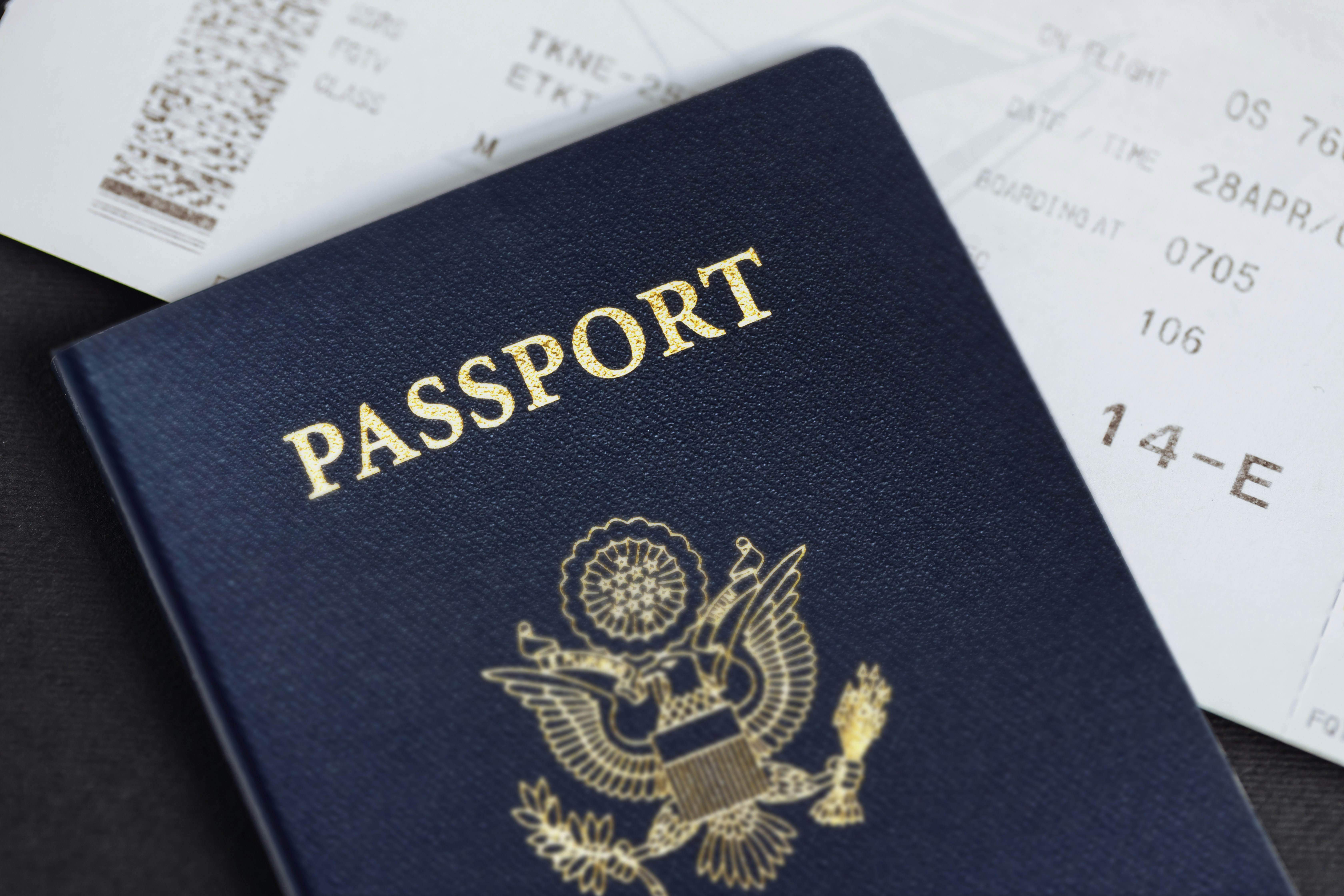
"For decades, an NRI match has carried a certain shine in Indian matrimony."
For decades, an NRI match has carried a certain shine in Indian matrimony — the promise of a life abroad, a "settled" partner, a step up in perceived status for the whole family.
That same appeal is exactly what's made NRI marriages a well-documented target for a specific, painful kind of fraud, one that's been serious enough to prompt government inquiries, proposed legislation, and passport revocations over more than a decade, and it's still happening.
NRI Wedding Scams in India
A 2009 National Commission for Women report found that roughly two out of every ten NRI marriages ended in the bride being abandoned shortly after the honeymoon period — a figure that later assessments have found roughly consistent with more recent patterns.
In 2018, a group of NRI brides filed a Supreme Court petition citing more than 40,000 women who had been deceived into marrying NRI men, with tens of thousands of matrimonial fraud cases cited as part of that filing. Between 2015 and 2019 alone, the Indian government logged more than 6,000 formal grievances against NRI men, and the Ministry of External Affairs has separately reported thousands of abandonment complaints filed by wives left behind.
Dowry is frequently part of this picture. Despite being illegal since 1961, research including a World Bank study has found dowry is still paid in the vast majority of Indian marriages, with families often spending far more than the groom's side contributes.
That imbalance creates a specific incentive structure that NRI marriage fraud has repeatedly exploited: secure a marriage (and the dowry, gifts, or savings that come with it), then leave — sometimes within days or weeks of the wedding, and sometimes back to a country where Indian courts have no real reach.
Why Distance Makes the Usual Safety Nets Fail
In a local match, families have informal tools they don't even think of as "verification" — a shared neighbourhood, mutual acquaintances, a matchmaker with local accountability, the ability to simply visit someone's home or workplace. An NRI match strips almost all of that away.
The groom or bride's actual day-to-day life — their real visa status, their real job, their real financial situation, even whether they're already married abroad — is effectively invisible to the family back home.
Everything is mediated through video calls, phone conversations, and documents that are easy to fabricate and hard to independently confirm from thousands of kilometres away. A "well-settled software engineer in the US" can't be casually verified by a relative dropping by the office. A claimed green card or visa status can't be confirmed with a glance.
What Typically Goes Wrong
A few patterns show up again and again in documented NRI marriage fraud cases.
A groom or his family overstates his financial standing, job, or visa status — sometimes exaggerating, sometimes fabricating entirely — to make the match more appealing to a family eager for a foreign connection.
The marriage is finalised quickly, often under time pressure created by the NRI partner's limited visit to India, which leaves little room for the usual due diligence. Dowry, gifts, or a lump sum is transferred as part of the wedding. And then, in the worst cases, the NRI partner returns abroad shortly after and simply stops responding — sometimes because a marriage or relationship already existed there, sometimes because the marriage itself was never intended to last.
What makes these cases especially difficult is what happens next. Once the NRI partner is back in their country of residence, Indian courts have limited practical power to compel their return, and cross-border legal cases can drag on for years.
The government's response including passport revocation for absconding NRI grooms and a proposed bill requiring mandatory registration of NRI marriages, has helped in specific, documented cases, but by definition, all of these remedies apply only after the harm has already happened.
Why This Makes Pre-Marital Verification Non-Negotiable
Every protection currently available to an abandoned NRI bride is a form of after-the-fact justice — real, but slow, uncertain, and only available once serious damage is already done. The far more reliable protection is confirming who someone actually is, and what their actual life abroad actually looks like, before the wedding happens, not after.
That means treating claims about foreign residency, employment, and marital status with the same scrutiny a bank would apply before approving a large loan — not because every NRI match is dishonest, but because the ones that are dishonest are specifically counting on the fact that most families can't easily check.
What to Verify Before the Wedding, Not After
At minimum, this means confirming the person's identity against official Indian documents such as Aadhaar, PAN, and driving license rather than accepting a foreign ID or a WhatsApp conversation as sufficient proof of who they are.
It means checking employment history to confirm the job, company, and role being claimed actually exist, rather than relying on a claimed designation and a company name that's difficult to verify from abroad. It means checking credit history and financial standing through a CIBIL report, which can surface financial instability that a polished LinkedIn profile or a curated set of photos won't show.
And it means confirming that the phone number being used to communicate is genuinely tied to the person claiming to own it, since a fabricated or spoofed number is often one of the earliest and most overlooked signs that something isn't right.
None of this requires treating an NRI match with suspicion instead of warmth. It simply means applying the same due diligence to a cross-border marriage that distance makes harder to do informally, and that fraud specifically depends on families skipping.
Next Steps
Formal verification becomes even more essential to give you peace of mind. Verification doesn't mean distrust. It's about safeguarding your best interests.
Prematrimonialverification.com offers a pre-marital verification service for 3 candidates at just ₹5,000 per candidate, covering:
- Identity verification — Aadhaar, PAN, and driving license
- CIBIL score and credit history
- Number intelligence — confirming the phone number actually belongs to the candidate
- Employment history — verifying where they say they work
For NRI matches specifically, this gives a family based in India a concrete, document-backed way to confirm identity and background details that would otherwise be nearly impossible to check informally from thousands of kilometres away.
Related Blogs
The Rise of Matrimonial Fraud in India: What Every Family Should Know Before Fixing a Match
Discover the alarming rise of matrimonial fraud in India, including fake profiles, dowry-motivated matches, and how families can protect themselves.
Read article →
5 Real Ways People Fake Their Biodata — And How to Actually Catch It
Learn the 5 most common ways biodatas are faked — from job title exaggeration to hidden relationships — and how to catch them with proper verification.
Read article →
How Discreet Verification Protects Everyone Involved
Understanding privacy-first verification and why discretion is essential in sensitive checks.
Read article →